A 'sliding scale' means the clinic charges you based on how much money your household earns. If you earn less, you pay less, and no one is turned away for inability to pay. You can ask any clinic, 'Do you have a sliding scale?' before you book.
Booking the appointment is the step that stops many people. You found a provider, and now you have to call or fill out a form. This guide walks you through both ways, with a script you can practice first so the real call feels easier.
- You can book a first appointment two ways: by phone or online.
- Before you call, have your insurance card, your availability, and the name of your language ready.
- Ask for a free interpreter; it is your right. If you reach voicemail, leave your name, say you want a mental health appointment, and give your number slowly and twice.
Before you start, have these ready
- Your insurance card, if you have one. They usually ask for the member ID number and the phone number on the back.
- A pen and paper, or the notes app on your phone.
- Your availability: the days and times you can come in.
- The language you need, so you can ask for an interpreter.
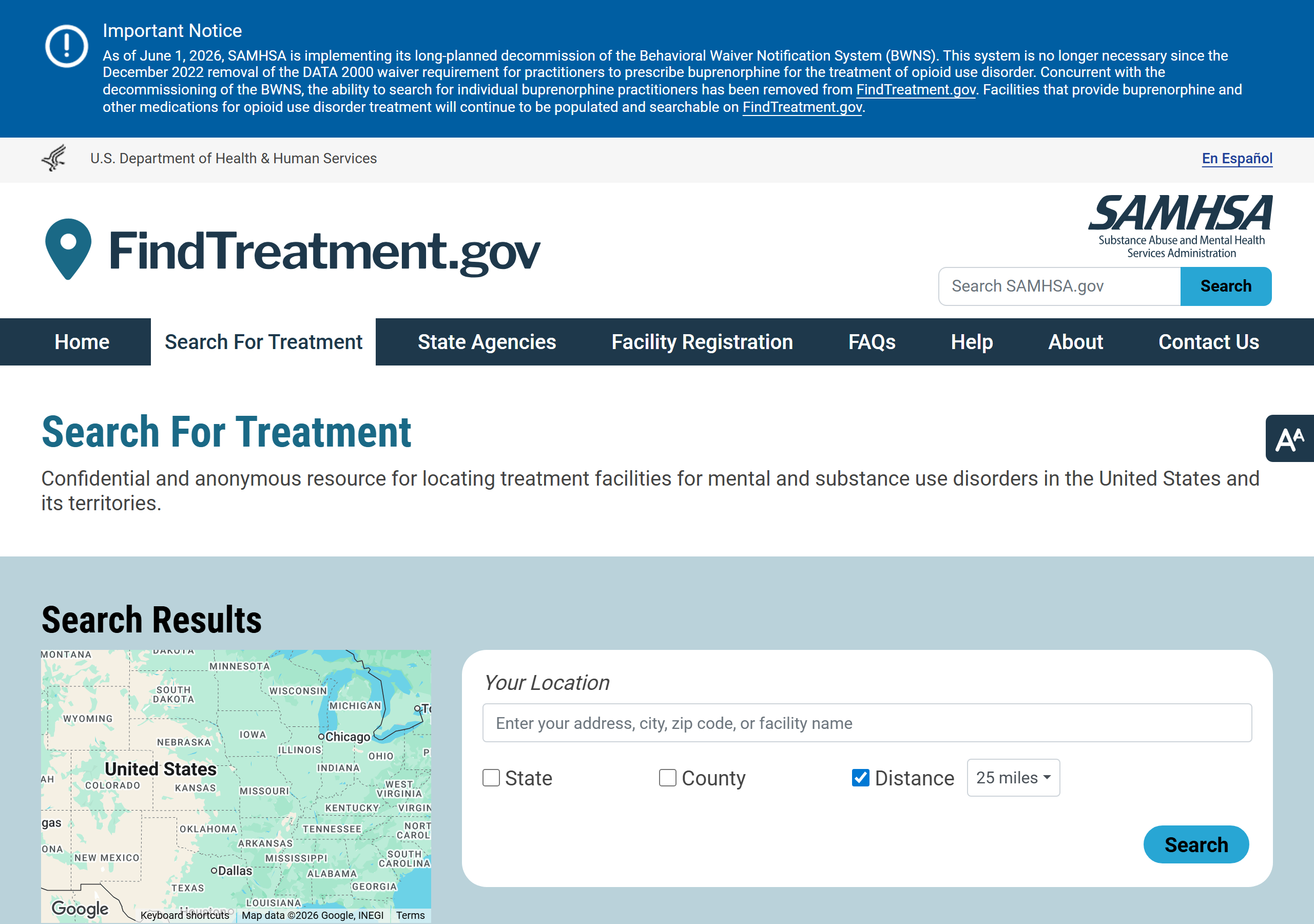
You can find a provider’s phone number on the SAMHSA FindTreatment.gov locator, in your insurance plan’s directory, or through a community health center.
Booking by phone
- Call the number and say you would like to make a new appointment.
- Ask for an interpreter in your language at no cost to you (see the script below). You have the right to a free, qualified interpreter.
- Say whether you have insurance, and ask if they take it or offer a sliding scale.
- Ask for the earliest appointment that fits your availability.
- Write down the date, time, address or video link, the name of who to ask for at the desk, and what to bring.
A practice call script
Read this out loud a few times before you call. Fill in the blanks for your own situation.
"Hello, my name is ______. I would like to make a new appointment for mental health counseling."
"I speak ______. I need a ______ interpreter at no cost to me. Can you arrange that for this call and for my visit?"
"Do you accept ______ insurance? If I do not have insurance, do you have a sliding scale based on income?"
"What is the earliest appointment? I am available on ______."
"What should I bring, and is the first visit in person or by video?"
Finishing the call in one sitting
It helps to make the call while your information is in front of you, using the script above. If you are working with a community health worker or a trusted person, you can make the call together right then and book before you finish.
If no one answers. Leave a short voicemail with your callback number said slowly and twice, then set a specific day and time to call back, rather than leaving it open, so the attempt is not lost.
"Hello, my name is ______. I am calling to book a first mental health appointment."
"My callback number is ______. I am usually free ______."
"I will call again on ______ at ______ if I do not hear back."
For more on asking for an interpreter, see Your right to a free interpreter.
Booking online
- Open the provider’s website or your insurance plan’s site.
- Choose “new patient” or “book an appointment.”
- Pick the service you need, such as counseling or psychiatry.
- Choose a time that fits your availability.
- Enter your name, date of birth, insurance, and the reason for the visit.
- In the notes or accommodations box, write “I need a ______ interpreter.”
- Submit, then save the confirmation. Take a screenshot or keep the email.
If the website asks for a login you cannot create, or there is no place to request an interpreter, call instead and ask for the interpreter by phone.
A few things that help
It is normal to feel nervous. You can ask the person to slow down or repeat. You can rehearse the whole call with the chatbot first, and it can draft your script in your language. When you can, make the real call with a community health worker or someone you trust nearby.
If the earliest appointment is far away, ask to be put on the cancellation list so the clinic can call you if a sooner time opens up. And remember your rights: a free, qualified interpreter is yours by law, you cannot be charged for it, and you do not have to bring your own or use a child or family member (HHS Office for Civil Rights).
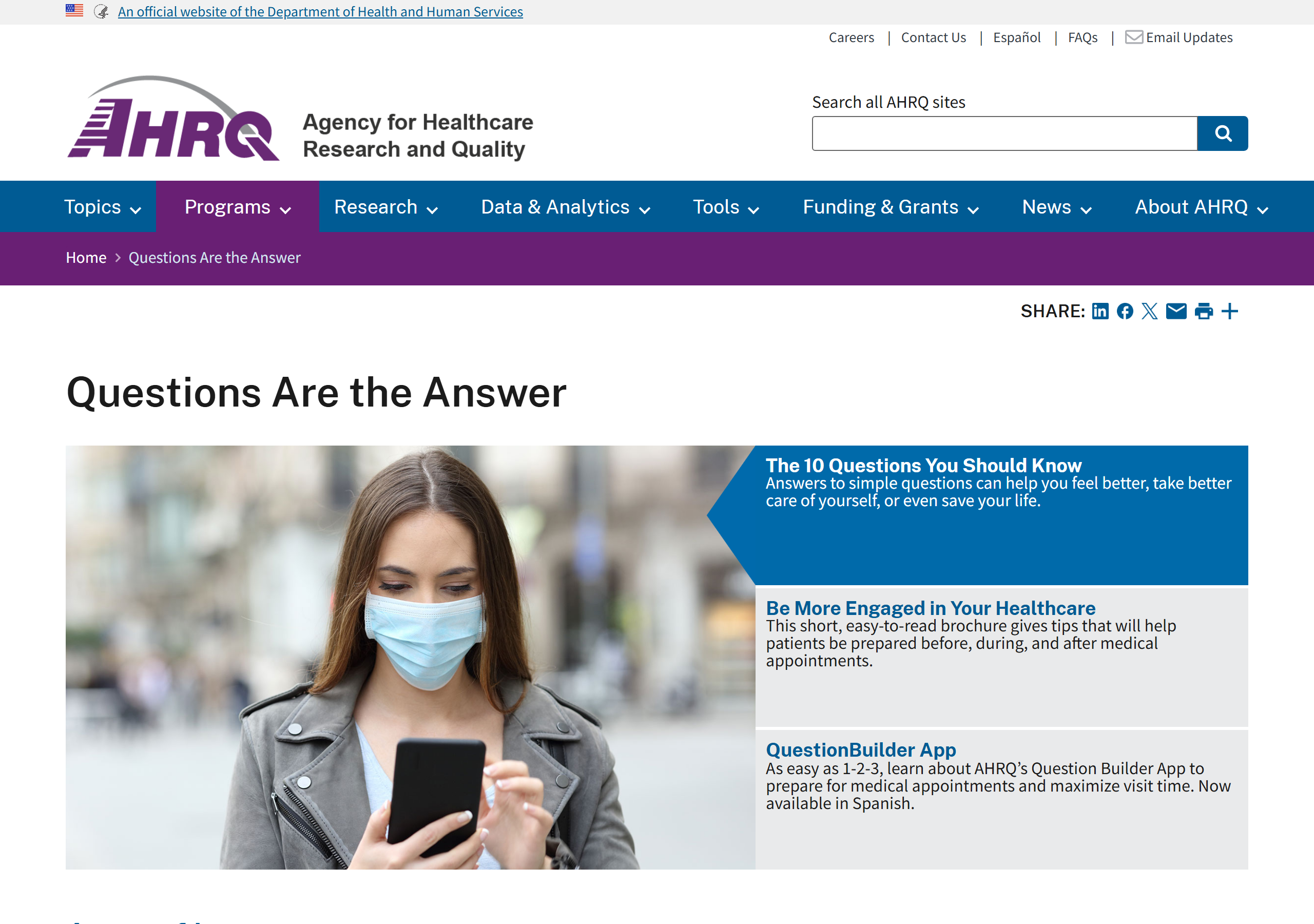
Making an appointment is a normal step on the path to care, the same step the federal Coverage to Care roadmap describes. The AHRQ resource “Questions Are the Answer” can help you prepare what to ask, and its free Question Builder app lets you build a list of questions and save or email it so you have it during the visit.
If the visit will be by phone or video, ask when you book whether the first appointment is offered that way, whether you need to download anything ahead of time, and how an interpreter will join the call. Telehealth first visits are common now, and an interpreter can still be added.
What to bring, and what to expect
Bring these to your first visit, whether it is in person or by video:
- A photo ID if you have one, and your insurance card if you have insurance. If you have neither, you can still be seen at a community health center.
- A list of any medications you take, with the doses, or bring the bottles themselves.
- A few lines about what is bothering you: your main worries, when they started, and how they affect your sleep, appetite, work, or family. Writing this down ahead of time helps you remember when you feel nervous.
- The name of your language, so you can remind the staff about the interpreter you asked for.
The first visit is usually an intake. Someone will ask about your history, your symptoms, and what you are hoping for. Some questions can feel personal. You can take your time, and you can say when a question is hard to answer. Before you agree to anything, it is fair to ask, “What are my options?” and “What happens next?”
If cost is a worry, say so out loud. Ask about a sliding scale, and if you have no insurance, a community health center at findahealthcenter.hrsa.gov will charge you based on what you can afford and will not turn you away.
What it will cost, and your right to an estimate
You are allowed to ask what a visit will cost before you come. Two things help.
- If you have insurance, ask the clinic, “Are you in my plan’s network?” A provider “in network” usually costs you less. Also ask what your copay is for a mental health visit. If you want to be sure, call the number on the back of your insurance card and ask the same question.
- If you are uninsured or paying on your own, a federal law called the No Surprises Act gives you the right to a good faith estimate, a written estimate of what the care is expected to cost, before your visit. Once you schedule, the provider must give you one, and they must also give you one whenever you ask, even before you schedule. If the final bill comes in $400 or more above that written estimate, you can dispute it through a federal process (Centers for Medicare & Medicaid Services, 2022). So it is fair to say on the call, “I am paying myself. Can you send me a good faith estimate before the visit?”
Asking about money does not make you a difficult patient. It is a normal, expected part of booking care, and it protects you from a bill you did not see coming.
A few words the clinic might use
Clinics use some words that can be confusing. Here is what they mean.
- Intake. The first visit, where staff ask about your history and what you need. It is mostly questions, not treatment yet.
- Referral. A note from one provider sending you to another, such as your regular doctor referring you to a counselor. Some insurance plans require one before they will pay for a specialist.
- Prior authorization. Your insurance plan agreeing, ahead of time, to pay for a service. The clinic usually handles this, but it can add a few days, so ask if it is needed.
- Copay. The set amount you pay at a visit when you have insurance.
- In network / out of network. Whether a provider has an agreement with your insurance plan. In network usually costs you less.
- Sliding scale. A fee based on your income, so you pay less if you earn less.
- Cancellation list. A waitlist for earlier openings if someone cancels.
You never have to pretend you understand a word. It is always fine to say, “Can you explain what that means?”
Sources
- Agency for Healthcare Research and Quality. Question Builder. https://www.ahrq.gov/questions/question-builder/index.html
- Agency for Healthcare Research and Quality. Questions are the answer. https://www.ahrq.gov/questions/index.html
- Centers for Medicare & Medicaid Services. From coverage to care: Roadmap to behavioral health. https://www.cms.gov/About-CMS/Agency-Information/OMH/Downloads/Coverage-to-Care-Behavioral-Roadmap.pdf
- Centers for Medicare & Medicaid Services. No Surprises: Understand your rights against surprise medical bills. https://www.cms.gov/newsroom/fact-sheets/no-surprises-understand-your-rights-against-surprise-medical-bills
- Health Resources and Services Administration. Find a health center. https://findahealthcenter.hrsa.gov/
- HHS Office for Civil Rights. Section 1557: Ensuring meaningful access for individuals with limited English proficiency. https://www.hhs.gov/civil-rights/for-individuals/section-1557/fs-limited-english-proficiency/index.html
- Substance Abuse and Mental Health Services Administration. FindTreatment.gov locator. https://findtreatment.gov/locator
LINC is a research prototype, not a medical or legal service. Translation can be wrong; you have the right to a free, qualified interpreter. For anything high-stakes, do it with a community health worker or someone you trust. In a crisis, call or text 988, or 911 for immediate danger.